
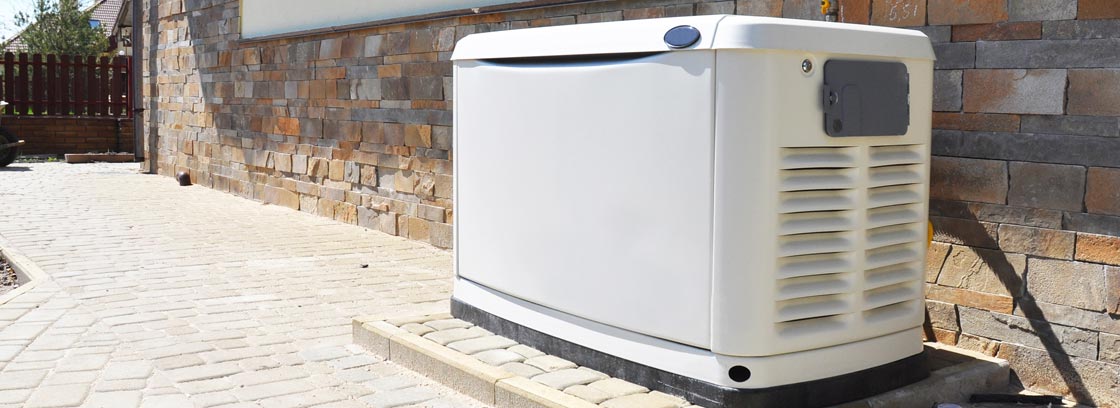
Generator Power Needs Safe Fuel: Why Professional Gas Line Installation is Non-Negotiable
Our region experiences its fair share of weather-related power outages, including significant outages that last for weeks at a time. Power outages are not new. What is new is the affordability and availability of whole home generators and gas line installation; the average family can now afford what used to be an expensive luxury.
This gives more families the option to stay at home during both short and long outages and do it in comfort and safety. Normal activities, such as cooking, cleaning, and staying clean, are possible with a generator. The air conditioner should still work, and the refrigerator/freezer should preserve food uninterrupted.
Need Gas Line Installation for Your New Generator?
If you are considering a whole-house generator, there are several steps to the process. You will need to:
- Determine the right size generator, based on the total draw of appliances and circuits
- Determine the right location, ensuring it is installed above frequent flood zones
- Connecting the wiring between the electrical service panel and the generator
- Installing a transfer switch between the power grid and the service panel to keep everyone safe
- Determine the right fuel for your home and location.
If your location has a natural gas utility or propane service, these fuels can be connected to your generator, making the installation ideal for most families. The alternative is usually having a storage building apart from the home for limited storage of gasoline or diesel fuels. During use, these fuels will need to be replenished, and experience says that replenishing these fuels might be problematic.
Doctor Cool Plumbing Services offers professional generator gas line installation to protect families and homeowners who are in the process of installing a natural gas/propane-powered whole home generator. Installing these lines is not a do-it-yourself project without the proper tools and training. The benefits of seeking a professional to install gas lines are plentiful.
- Both natural gas and propane are under pressure. The pressure is light, but it ensures that a gas leak will continue until repaired. These gases are both flammable and explosive, so a leak is dangerous.
- Natural gas and propane are both odorless and colorless. Gas utilities add a compound, called mercaptan, to give the gas a sulfur or “rotten egg” smell. If you detect even a whiff of this smell, it should elicit immediate action, since, as the gas dissipates, so does the odor.
- Buried gas line installations need to use high-density polyethylene pipe (HDPE), buried at the proper depth to avoid damage from surface disturbances. HDPE ensures that the pipe will not rust and is flexible enough to accommodate minor shifting of the soil.
- The connections are properly sealed
- The installation work will follow the required permits and meet the local building codes. Building codes ensure that the gas connection protects both the family and the community.
- Professional gas line installation will include leak detection post-installation to ensure the work is completed properly and safely.
- Maintenance can be included in this service. If the line is obviously damaged or if a leak is detected, a service call will generate an emergency response to make the needed repair and keep the home safe.
Don’t DIY This: Get Your Generator Ready With Professional Gas Line Installation
Installing a whole-house generator is a major step toward comfort and safety, but the gas line installation is critical for reliable, code-compliant operation. Don’t risk leaks or damage—trust the certified professionals at Doctor Cool & Professor Heat.
If you are considering the installation of a whole-house generator that requires gas line installation, give Doctor Cool & Professor Heat a call at 281-516-5913.