
How High Winds, Floods, and Lightning Impact Your Need for AC Repair
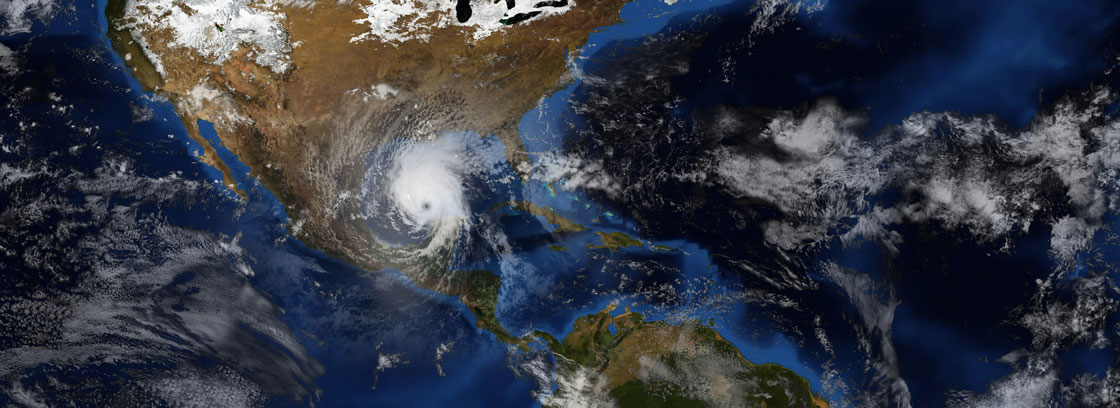
On the Texas Gulf Coast, it is not if a hurricane will hit, but it is a matter of when a hurricane will strike. The damage will be widespread, and the extent of the damage will be determined by the intensity of the storm. No one can predict damage precisely, but there are general expectations that can help homeowners prepare. There are also expectations that will help homeowners make this AC repair quickly. One consideration that many homeowners overlook is the potential AC repair resulting from a hurricane or tropical storm. Damage will come because of:
- Destructive Winds: The destructive power of hurricane winds stems from their extreme kinetic energy, which scales exponentially with speed to easily tear off roofs, down power lines, and collapse structural walls. Furthermore, these sustained winds transform loose objects into lethal, high-velocity projectiles that inflict severe impact damage far beyond the wind itself. Hurricane winds can range from 75 mph in a Category One storm, and up to 200 mph in a Category 5 hurricane.
- Heavy Rainfall & Flooding: Heavy rainfall during a hurricane triggers catastrophic inland flooding and dangerous flash floods, often overwhelming local drainage systems and rivers far from the coast. This deluge can lead to widespread structural damage, contaminated water supplies, and hazardous mudslides that isolate communities and disrupt critical infrastructure. During Hurricane Harvey, over 60 inches of rain fell in the matter of 72 hours when the storm stalled after making landfall.
- Lightning Strikes. During a hurricane, lightning strikes can cripple critical infrastructure by triggering severe power surges that fry electrical grids, knock out communications, and cause widespread blackouts. Additionally, these high-energy discharges can ignite structural fires in homes and industrial facilities, compounding the disaster at a time when emergency services are unable to respond due to the storm.
Hurricanes vs. HVAC: The Ultimate Guide to Protecting Your Air Conditioner
How do these storm features damage home heating, ventilation, and air conditioning (HVAC) systems?
Power Surges and Outages. A short power outage is an uncomfortable annoyance, but a power outage that lasts days or weeks can endanger the family’s health and security. A power outage can result from any one or combination of these storm features and can require extensive AC repair. To avoid this AC repair, consider:
- To safeguard a home from the catastrophic electrical spikes common during severe storms, installing a whole-house surge protector at the main service panel is a critical line of defense. This specialized equipment acts as a barrier, intercepting massive voltage overloads—such as the million-volt strikes delivered by lightning or the massive power fluctuations triggered by high winds—before they can enter the home’s internal wiring. By neutralizing these extreme surges at the source, the system prevents devastating fry-outs and preserves the integrity of both the household infrastructure and all plugged-in appliances.
- While surge protection keeps electronics safe from spikes, a whole-home standby generator ensures continuous safety and comfort during extended grid failures. This seamless transition relies on an automatic transfer switch mounted at the main panel, which constantly evaluates the incoming utility line. The moment a blackout is detected, the mechanism instantly isolates the household from the dead grid and fires up the generator, restoring electricity within moments. Once the utility company resolves the outage, the system smoothly reverses the process—powering down the generator and safely shifting the home back to standard grid power.
Investing in proactive mitigation is far wiser than dealing with the aftermath of electrical failure, which typically incurs exorbitant repair bills and weeks of logistical headaches. By prioritizing preventative measures, homeowners can bypass the steep costs and immense disruption associated with rewiring a property and replacing fried household electronics. Ultimately, a front-end defense eliminates the stress of post-disaster recovery before the damage ever has a chance to manifest.
Flooding Damage.
Despite rigorous public zoning laws and historical weather mapping designed to keep residential developments out of harm’s way, extreme weather events can still overwhelm local drainage systems and flood properties. Once rising waters breach a structure, active management becomes impossible, leaving evacuation and isolation the only immediate options.
Flipping the main electrical breaker before water reaches the interior is a non-negotiable safety step to minimize electrocution and electrical fire hazards. Restoring electricity should only be considered after the entire property is dry and an electrician has thoroughly inspected the system’s integrity.
Beyond immediate safety concerns, the physical aftermath of flooding requires a comprehensive, top-to-bottom inspection process due to the destructive nature of water:
- Structural Integrity Threats: Saturated materials like drywall, insulation, and porous flooring degrade rapidly, standing water can silently compromise the stability of concrete foundations.
- Mechanical & Utility Failures: Submerged climate control units (HVAC), plumbing lines, and electrical conduits face severe corrosion and immediate failure.
- Hidden Microbial Hazards: Contaminated floodwater seeps in behind baseboards, under appliances, and inside wall spaces, creating a breeding ground for mold and mildew.
- Ductwork Contamination: Water easily pools inside ductwork; because cleaning these enclosed spaces is rarely effective, complete ductwork removal and replacement are mandatory to prevent mold spores from circulating throughout the home later.
To ensure a safe environment post-hurricane, every affected area must be fully stripped down to the studs, thoroughly disinfected, and mechanically dried before any rebuilding can safely commence.
Preventing Costly AC Repair and Condenser Damage During Severe Storms
The exterior compressor assembly bears the brunt of severe weather, making it the cause of failure for residential HVAC systems during a storm. Because these units are surprisingly buoyant and lightweight relative to their size, high-velocity winds can easily dislodge them from their bases.
Furthermore, exposure to the elements exposes the system to several critical hazards:
- Airborne debris and snapping overhead branches can damage the housing or crush delicate internal components.
- Swirling grime from floodwaters can accumulate on the exterior fins, choking off airflow.
- Physical damage to the unit can rupture pressurized lines, resulting in hazardous coolant leaks that disable the system entirely.
To reduce these risks, anchoring the equipment directly to its concrete foundation using heavy-duty tie-down straps is an essential preventative measure against wind damage.
Protect Your HVAC From Hurricane Damage & AC Repair
Don’t wait until a severe storm hits to find out if your cooling system can handle the stress. Schedule a preventive AC repair and AC maintenance appointment today to ensure your outdoor condenser is securely strapped, protected, and ready for extreme weather. Call Doctor Cool at 281-516-8043 now to safeguard your HVAC system and secure your family’s comfort before hurricane season arrives.