
Stop Ignoring Your Water Heater: Why a Flush Could Save You Thousands
Is flushing a waterheater a suggestion or a necessary maintenance task?
Flushing a water heater is necessary for the following reasons:
- The U.S. has very good water quality overall, but it varies from location to location
- Sediment from municipal water has time to settle out of the water while inside the water heater. The collection of sediment acts as an insulator to reduce the efficiency of the waterheater.
- The sediment can become corrosive, causing the water heater to leak over time.
- The manufacturer’s warranty usually requires the water heater to be flushed annually.
Let’s assume that you have not been flushing your waterheater: what should you know about this process?
Signs of Water Heater Trouble
If you have not been flushing your water heater, you may observe problems developing with your hot water supply.
- Does your hot water smell bad?
- Is your hot water cloudy when it comes through a faucet?
- Is your “hot water” lukewarm water?
- Does the water heater make loud, annoying noises?
- Does the water heater leak?
Some of these problems might be solved by flushing the water heater; flushing the waterheater might uncover the severity of some of these problems.
Step-by-Step Water Heater Flushing Instructions
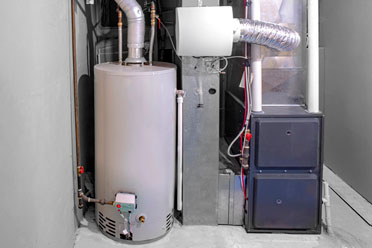
Flushing a water heater takes planning and preparation. It should be done during warm weather to avoid frozen surfaces around the home. It must be planned on a day which does not need hot water use or after showers are taken and cleaning tasks completed. This task might take 1 or 2 hours.
- Trip the breaker to turn off the power to the water heater. If powered by natural gas, close the heater’s supply valve.
- Close the cold water supply valve to the water heater.
- Locate the drain valve at the base of the heater. Distinguish between the safety valve and the drain valve. Connect a garden hose to the drain valve and prepare for the hot water to drain away. Drain the water to a floor drain or to the outdoors. (This water will be hot—approximately 1400—so avoid draining it to the lawn or flower beds.
- Open a lower-level hot water faucet. This prevents a vacuum inside the heater tank as you drain it.
- Observe the drainage to determine how much sediment is exiting the hose.
- As the water pressure diminishes, turn the cold water supply valve back on to help wash any remaining sediment away. When the water is draining clear, shut the drain valve.
- The cold water will fill the tank again. You should be able to hear when the water ceases entering the tank.
- After the tank is full, restore electricity and/or natural gas and let the water return to the desired temperature.
- Avoid using hot water for a couple of hours after the tank has filled again. The small amounts of sediment that might remain in the tank will have time to settle to the bottom. This avoids sediment being drawn into faucets or fixtures.
Situations To Avoid
- Avoid emptying the tank and letting outside air enter the tank. Outside air may include airborne particles that contaminate the potable water supply.
- If your heater is 8- to 10-year-old and has never been flushed, do not flush the tank. After this extended period, the sediment is likely to be compacted and flake off inside the tank. The flake may be too large to exit through the drain valve. These flakes can be pulled into faucets and fixtures during normal water usage, creating clogs at several locations.
Ensure Your Water Heater Lasts for Years to Come
Don’t wait for a total breakdown to address the sediment and noise issues affecting your home’s comfort. Our expert technicians are ready to provide a professional flush and inspection to restore the efficiency of your water heater. Call Doctor Cool today to schedule your plumbing repair appointment and enjoy reliable hot water once again.